Home
We are America’s first research university.
For decades, Johns Hopkins has partnered with the federal government to conduct the groundbreaking research that has kept the United States at the forefront of global scientific, medical, and technological leadership. We remain committed to that partnership and to supporting the more than 50,000 students, researchers, faculty, and staff who make up the vibrant Johns Hopkins community.



Commentary
Preserving merit-based review in federal research funding
University comment letter warns that proposed revisions to the Uniform Guidance could weaken merit-based review, increase administrative burden, and disrupt the federal research partnership
Research Saves Lives
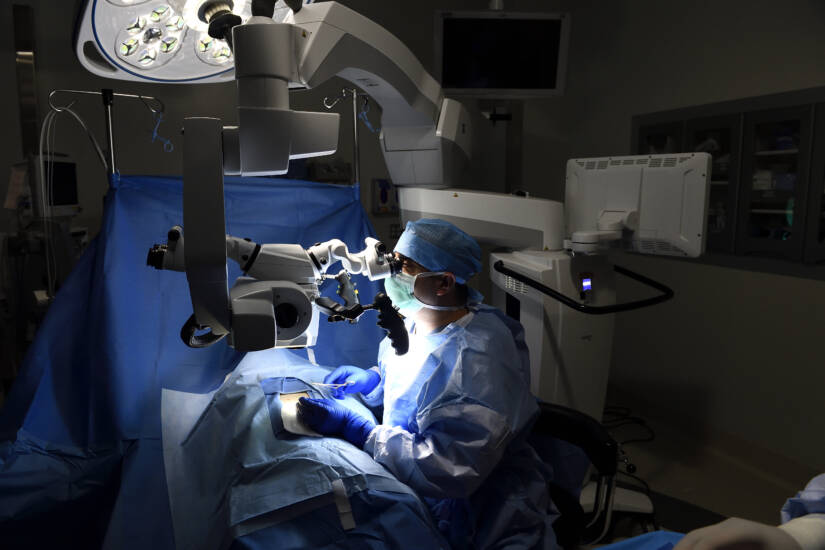
Discoveries made through Johns Hopkins’ decades-long partnership with the federal government are saving and improving millions of lives here at home and around the world.
Routine blood test to find cancer early
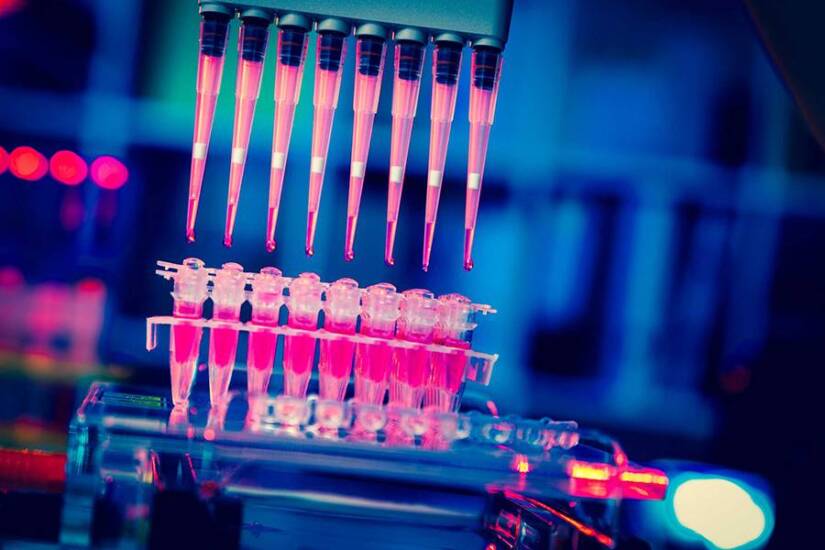
Johns Hopkins researchers invented the “liquid biopsy,” transforming a routine blood test into next-level cancer detection. With near perfect accuracy, the test detects ovarian, liver, stomach, pancreas and esophageal cancers—cancers that are not screened for in seemingly healthy individuals. When tested on nearly 10,000 women with no symptoms or history of cancer, the liquid biopsy uncovered cancer in 26 of them—giving them all a chance to treat is early.
Revolutionary diagnostic tool for epilepsy

Researchers developed technology that helps doctors diagnose and treat people with epilepsy—one of the most commonly misdiagnosed diseases. By non-invasively pinpointing the precise spot in the brain where seizures originate, the tool helps surgeons determine if and where they should operate, improving the success rate of epilepsy surgeries—life-saving work for the roughly 21 million epilepsy patients worldwide whose seizures aren’t relieved by medications.
Using AI to detect sepsis, a leading cause of death in hospitals
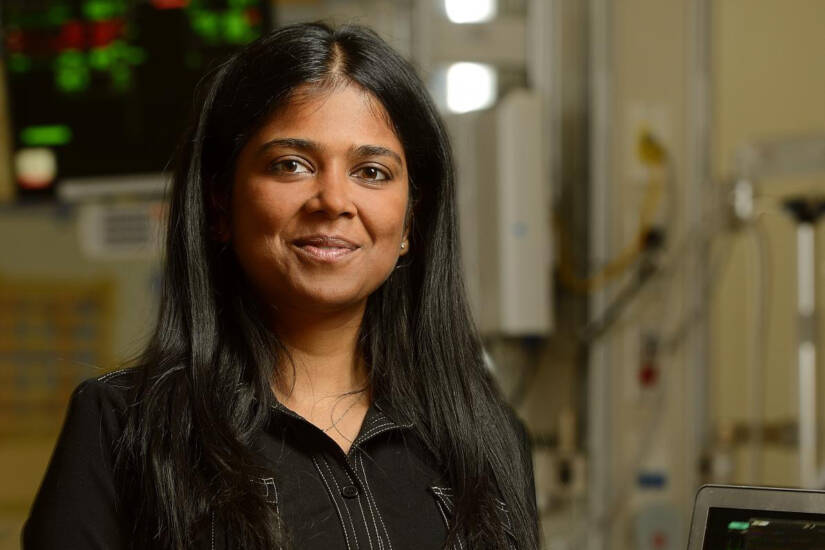
One of the top causes of death in hospitals is sepsis, the body’s extreme reaction to an infection. Using AI, Johns Hopkins researchers found a way to identify sepsis nearly two hours earlier than traditional methods, a game changer for a condition where every minute counts. The system has not only cut sepsis deaths by nearly 20% in hospitals nationwide, saving thousands of lives a year, it’s getting people out of the hospital faster and reducing the need for intensive care.
World class medical care
Many of our researchers don’t just work in the lab—they treat patients every day at our medical centers in Baltimore, Washington, D.C., Virginia, and Florida—and they train the next generation of providers through the world-renowned Johns Hopkins School of Medicine. Learn more about how research saves lives.
Research Creates Hope
Deep cuts to federal research funding will undercut discovery that leads to cures for disease and slow the development of treatments for Alzheimer’s, cancer, diabetes, and heart disease.
Clinical trials of new therapies
Johns Hopkins has approximately 600 NIH funded trials underway with more than 3,000 patients enrolled, including work on cancer, pediatrics and children’s health, heart and vascular studies, pulmonary and critical care, the brain and nervous system, and more. Read how one NIH-funded clinical trial at Hopkins saved the life of a Baltimore woman using an innovative cancer immunotherapy treatment developed over 30 years by teams of researchers here and across the country.
Slowing the onset of Alzheimer’s
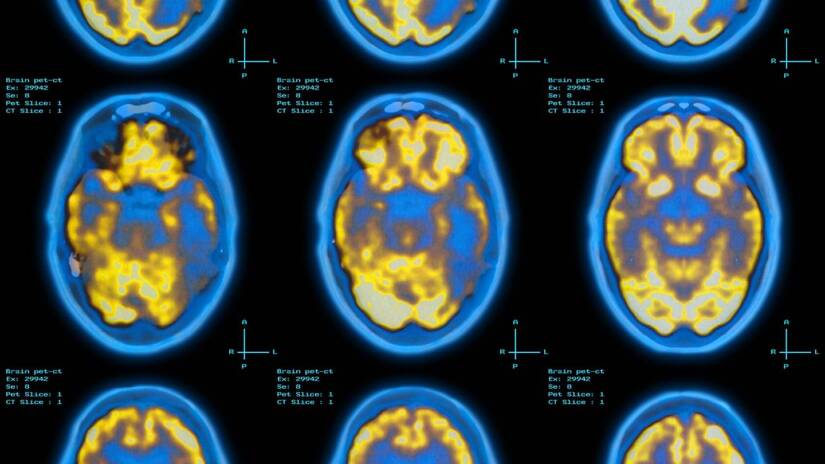
Millions of people are diagnosed every year with Alzheimer’s and other types of dementia. Johns Hopkins is currently testing novel ways to slow cognitive decline and ease some of the most frustrating hallmarks of the disease. One clinical trial is testing how an existing medication for depression could treat distressing symptoms like agitation and aggression and potentially slow cognitive decline. Another trial is studying how repurposing an inexpensive generic version of Ritalin could ease apathy, one of the most common and most devastating symptoms of Alzheimer’s.
Medicines that target cancer tumors
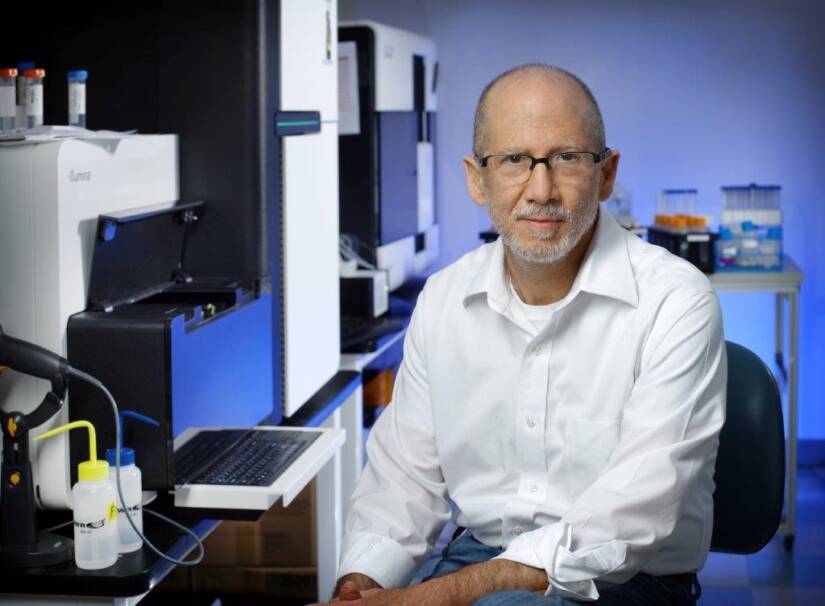
Imagine a treatment tailor-made to fight an individual patient’s specific cancer. Hopkins researchers are in the process of developing medicines, built with a patient’s own cells, that target and destroy only malignant tumors, sparing healthy tissue. The treatment is precise and potent, stopping tumors from growing and spreading, without the toxicity of other medicines. This antibody-like treatment, now in clinical trials, appears effective for an array of challenging tumor types.
New treatment for pancreatic cancer

Promising findings from Johns Hopkins researchers are offering hope to the thousands of people diagnosed every year with pancreatic cancer, which is already one of the deadliest cancers and is predicted to become even more prevalent in coming years. A new vaccine supercharges the immune system, enlisting cells that typically allow cancer to grow to instead seek out and kill pancreatic cancer cells throughout the body. The treatment, a new form of immunotherapy, is being tested now in clinical trials and appears to delay cancer recurrence for nearly two years.
AI to improve well-being of older Americans
Johns Hopkins is harnessing the power of AI and other cutting-edge technology to improve the health and well-being of older adults, especially people without easy access to high-quality dementia care. Working with tech firms and universities across the country, from Florida to Texas to Washington, we’re seeking out and supporting the most creative ideas from researchers, innovators, and entrepreneurs. Projects underway include a mobile device that seniors and their caregivers could use at home to monitor brain health, a virtual reality world where people with dementia can receive therapy and engagement, and software that detects the earliest signs of cognitive impairment.
Treating diabetes without insulin
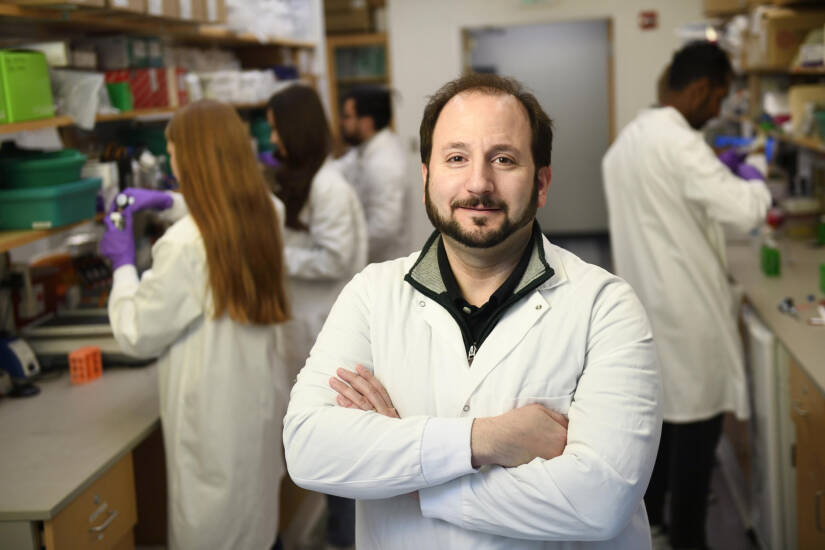
People with type 1 diabetes need daily insulin shots to regulate their blood sugar levels. Johns Hopkins researchers are developing a therapy that would eliminate those burdensome insulin injections and pumps. It’s a long-lasting cell-based immunotherapy that would prevent the immune system from attacking insulin-producing cells in the first place. The treatment would greatly improve the day-to-day lives of millions of people living with diabetes worldwide.
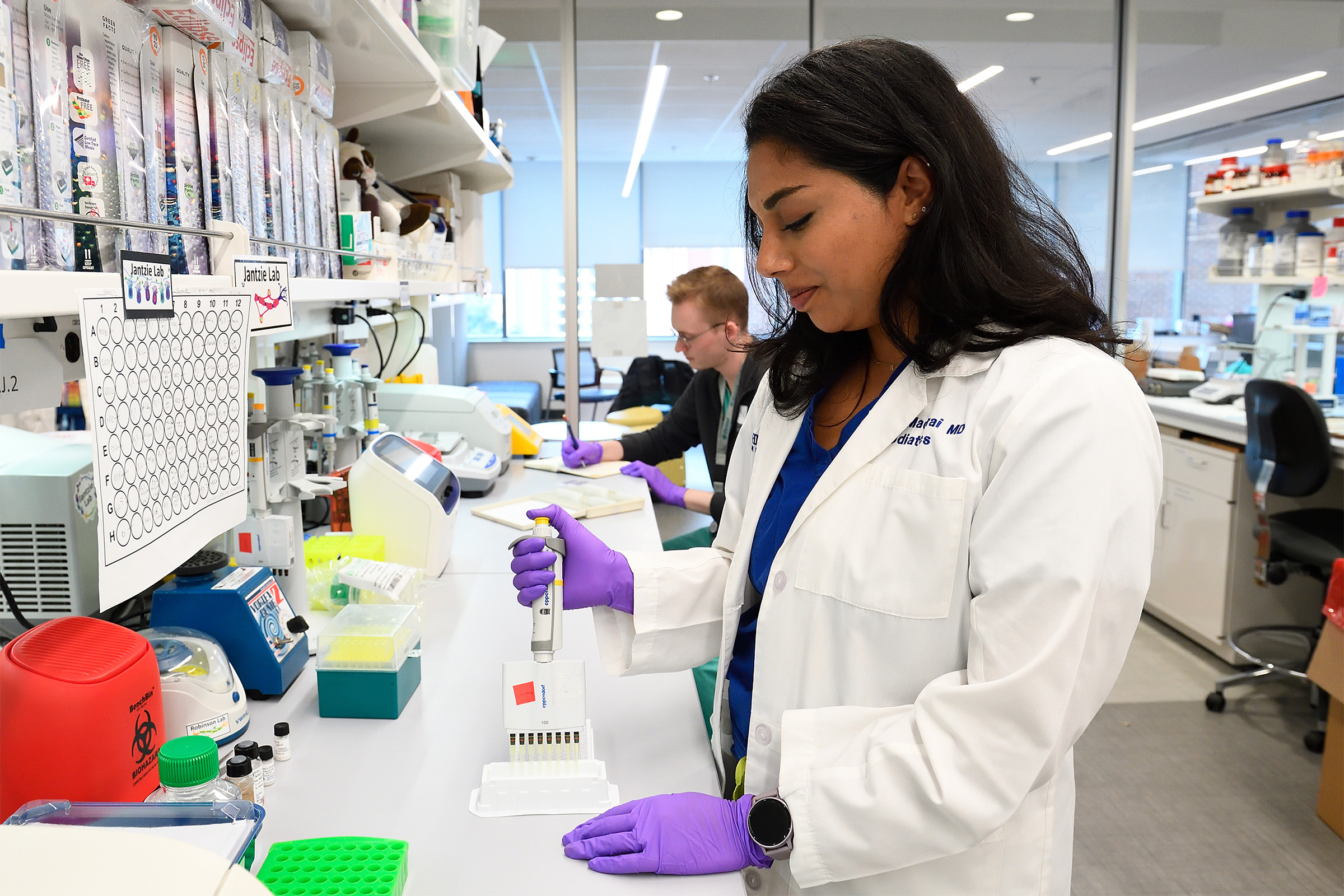
Research Supports Jobs
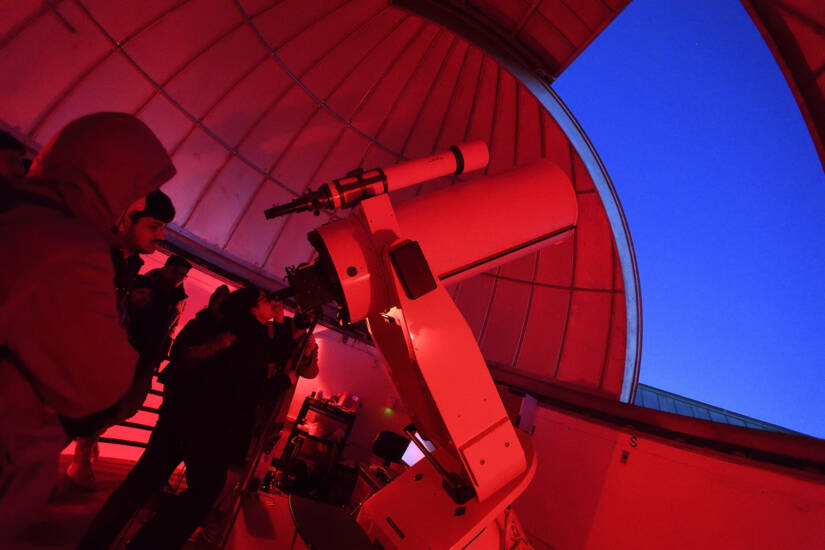
Research at Johns Hopkins creates thousands of good jobs—directly at the university, with the local contractors and suppliers who provide services and equipment, and in the businesses that bring scientific innovations to the broader marketplace.
Johns Hopkins is Maryland’s largest private employer
In addition to supporting tens of thousands of direct and indirect jobs, the university is also a major purchaser of goods and services, a sponsor of construction projects, and a magnet for students and visitors. In fiscal year 2024, we estimate that Johns Hopkins and its affiliates directly and indirectly accounted for $40 billion in economic output in Maryland and approximately $7.3 billion across other Johns Hopkins operating geographies (Washington, D.C., Virginia, Pennsylvania, and Florida).
Breakthrough technologies launch new companies
Over the past 15 years, startup companies fueled by licensed university technology have grown by 80%—direct evidence of the ways in which university research sparks innovation and catalyzes the private sector. Johns Hopkins has created more than 130 active startup companies that collectively employ more than 1,500 people, and these startups have raised $4.4 billion in cumulative venture funding since 2014.
Research facilities create opportunities for local businesses
Universities make long-term investments to construct and operate the cutting-edge scientific facilities that conduct federally supported research. The construction of the two academic buildings that will house the Data Science and Artificial Intelligence Institute, to name just one example, is expected to create over 4,000 jobs in Baltimore and generate more than $800 million in net new economic impact across Maryland.
University co-investment in research multiplies economic impact
Federal funding only covers part of the cost of groundbreaking research done at universities. Johns Hopkins uses institutional funds, including our endowment, to co-invest in research that saves lives, spurs innovation, and boosts the economy. Overall, APLU estimates that American research universities covered 25% of the costs of federally backed research in 2023.
Research Protects America
Johns Hopkins is a leading partner on defense and national security research, supporting our service members with technologies and innovations that have both military and civilian applications.
Treating spinal cord injuries
Funded in part by a research grant from DARPA, the HEPIUS (Holistic Electrical, Ultrasonic, and Physiological Interventions Unburdening Those with Spinal Cord Injury) Innovation Labs bring together teams from multiple schools and campuses at Johns Hopkins. Together they are working to design and develop an entirely new class of implantable and wearable medical devices to aid spinal cord injury patients in both the acute and chronic phases of injury.
Material science in extreme environments
Hopkins leads a research alliance that includes 17 institutions and 37 researchers across the United States working to understand, predict, and control the behavior of materials in the extreme conditions caused by weapons of mass destruction to ensure that the equipment our armed forces depend on is safe and effective. The project is supported by research funding from the Defense Threat Reduction Agency (DTRA) within the Department of Defense (DOD).
Protecting the supply chain for medicines
A multidisciplinary team from the Bloomberg School of Public Health, Carey School of Business, and School of Medicine is conducting research as part of a broader DOD initiative to inform decision-making to ensure that critical medications remain accessible for U.S. service members and the American public.
History’s first redirection of an asteroid
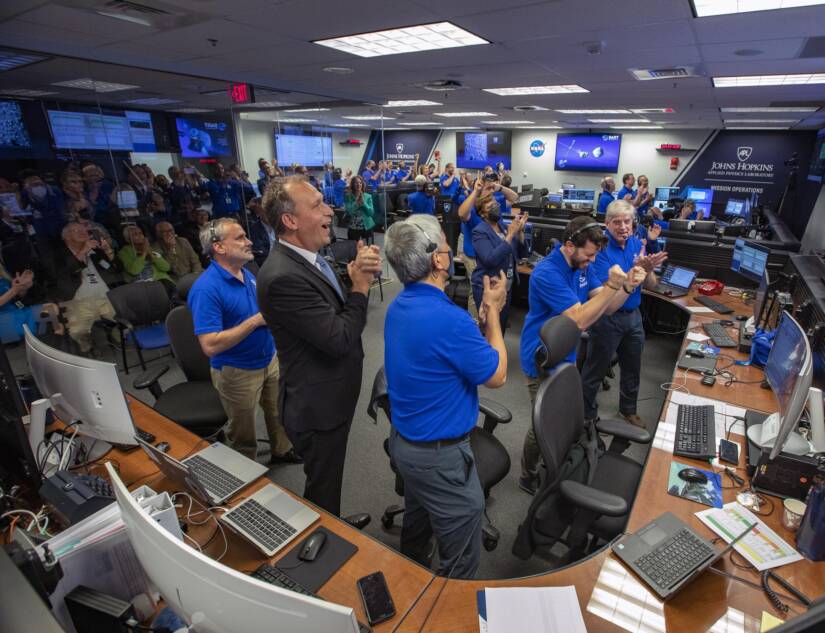
The Johns Hopkins Applied Physics Laboratory, working with NASA, successfully altered the orbit of an asteroid in 2022. It was the first time humanity changed the motion of a celestial object and a stunning demonstration of the planetary defense plan that could one day save Earth from an incoming threat. APL built DART and the spacecraft’s single instrument, a camera that captured images of the asteroids on approach and supported the spacecraft’s navigation.

What’s at Stake

FDA approves early warning system for sepsis
The AI system detects deadly infections faster than doctors, saving thousands from a condition that claims more than 250,000 lives each year in the U.S.

The university and American innovation
Writing in Science, JHU President Ron Daniels describes how the historical partnership between research universities and the federal government has ensured the nation’s scientific preeminence
This article is being made available for non-profit teaching purposes

A staunch voice in support of science
Pioneering RNA biologist Jeff Coller has spent the past year vehemently advocating for the lifesaving promise of research in the face of federal cuts

Using AI to evaluate fall risk
The Johns Hopkins Artificial Intelligence and Technology Collaboratory for Aging Research supports geriatrics research in 45 states, prompting new breakthroughs in health and artificial intelligence

Hopkins, West Virginia launch partnership
New initiative will support collaborative research projects to advance joint solutions for shared challenges and help faculty teams pursue future external funding opportunities

Take Action
Find out how you can spread the word, get the latest updates, or make a contribution to help support research at Hopkins.
Universities are the Engine of American Research and Development
For nearly eight decades, the uniquely American system of investing in scientific research through competition and peer review has yielded a remarkable bounty for the United States—and Johns Hopkins is proud to be part of that success.
600
NIH-funded clinical trials underway at JHU, with more than 3,000 patients enrolled, including cancer, heart disease, and more
3 Million
Americans living with pacemakers made possible by technology developed at Johns Hopkins
#1
Every year since 1979, Johns Hopkins has been the federal government’s top university research partner
47
States (plus Washington, D.C.) with universities collaborating with Johns Hopkins on federally sponsored research
8,958
Researchers across Johns Hopkins working on projects on behalf of the American public
130
New startup companies launched through Johns Hopkins Technology Ventures, bringing the benefits of discovery to the world
Federal Research Cuts at Johns Hopkins
Johns Hopkins and many of our peer institutions have faced a series of challenges to the longstanding and successful partnership between the federal government and American research universities.
Sharp drop in federal support for research
Johns Hopkins University and peer institutions have faced the cancellation of existing research grants coupled with a concerning decline in new research funding from many federal agencies, particularly the National Institutes of Health (NIH). In calendar year 2025, Hopkins received 43% less federal funding for new and competitive research projects compared to 2024. In the final analysis for 2025, the total outstanding value of our multiyear federal research portfolio declined by more than $500 million. These downward trends have continued unabated in 2026.
Potential changes in the merit-based research model
Since the summer of 2025, the federal government has signaled the possibility of further significant changes to federal research funding, including potential disruption of the merit-based, scientific model for reviewing and selecting grant recipients. The competitive system ensures that national funding is awarded to the best and most promising proposals, and we continue watching developments closely for changes that might undermine the merit-based approach to research funding.
Impact on University Operations
In light of these challenges and the uncertainty we are facing, the university and its divisions are committed to reducing expenses and generating new revenue streams, as announced in a June 3 message. All of our divisions are planning for further challenges on the horizon.
While it is not possible to make up fully the scale of federal research funding traditionally received at Hopkins, we can and will marshal all the tools at our disposal to sustain our research enterprise and the faculty, students, and staff who do this impactful work.
Resources for Hopkins Researchers
We are working to sustain the people and projects that power discovery at Johns Hopkins.
- Life Sciences Research Initiative: Through this new initiative, we will invest $80 million annually, for each of the next two years, in groundbreaking basic and applied research across a wide array of life science disciplines and interests—from immunology to neuroscience, oncology to epidemiology, bioengineering to population health. With support from more than 120 alumni and friends who have contributed to our Research Saves Lives effort, this initiative will provide internal research awards for projects designed to unleash breakthroughs and discoveries that can lead to new treatments and improved health outcomes within our lifetimes.
- Research Resilience Fund: This new fund, announced in June 2026, will earmark $60 million annually over the next two years to meet the needs of faculty, students, and research teams facing federal grant terminations or delays or experiencing the broader effects of the changed research ecosystem. The RRF, which expands the previous Pivot and Bridge Program, is made possible through budgetary reallocation, savings from belt-tightening measures, and a welcome $8.5 million in research funding from the State of Maryland
- Guidance for Hopkins Researchers on Federal Actions: The latest guidance on federal policy changes, including how to respond to directives or requests from funding agencies.
- PhD Thesis and Postdoc Research Completion Program: Financial support to PhD students who are completing their dissertations and postdoctoral fellows who had been expecting support from awarded federal research grants that were terminated.
News and Updates

Updates on federal actions and budget planning
June 2, 2025
April 28, 2025